
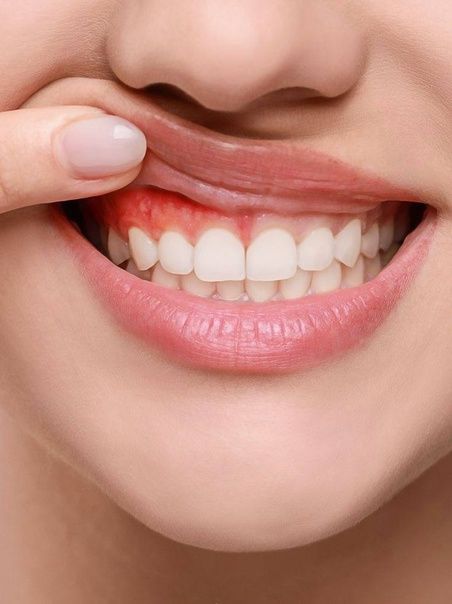
Why Do My Gums Bleed When I Brush? A Complete Guide
If you’ve ever wondered “why do my gums bleed when I brush?”, you’re not alone. Studies show that up to 90% of adults will experience bleeding gums at some point in their lives. While occasional bleeding can be harmless, persistent bleeding is your body’s warning signal that something isn’t right.
In this expert guide, our specialist dentists at Golden Crown Dental Surgery, Lahore explain the 7 most common causes of bleeding gums, warning signs you should never ignore, effective home remedies, and when it’s time to see a professional. Whether you’re a first-timer noticing pink foam in the sink or dealing with recurring bleeding for months, this article covers everything you need to know.
Is it normal for gums to bleed when brushing?
The short answer: No, healthy gums don’t bleed.
If your gums bleed occasionally after aggressive brushing or after starting to floss for the first time, that’s usually not serious. But if bleeding happens every time you brush, or continues for more than a week, it’s a sign that your gums are inflamed — a condition called gingivitis. Ignoring it can lead to periodontitis, a serious gum infection that eventually destroys the bone supporting your teeth.
The good news? Most causes of bleeding gums are reversible if caught early.
7 common causes of bleeding gums
1. Gingivitis (early gum disease) — the #1 cause
Gingivitis is by far the most common reason gums bleed during brushing. It’s caused by plaque buildup along the gumline that inflames the gum tissue. Signs of gingivitis include:
- Red or swollen gums
- Bleeding when brushing or flossing
- Bad breath that doesn’t go away
- Tender or sensitive gums
- Gums that appear pulled back from teeth
The good news is that gingivitis is fully reversible with professional cleaning and proper oral hygiene at home. Learn more about our gum disease treatment in Lahore.
2. Brushing too hard or wrong technique
Many people think harder brushing means cleaner teeth. In reality, aggressive brushing damages your gums and enamel. If you’re using a scrubbing motion or pressing hard against the gumline, you’re likely causing tiny cuts that bleed.
The fix: Hold your toothbrush like a pen, not a knife. Use gentle, circular motions for 2 minutes twice a day.
3. Using the wrong toothbrush
Hard-bristled toothbrushes are one of the biggest culprits behind bleeding gums. They can wear down enamel and irritate soft gum tissue.
The fix: Switch to a soft-bristled toothbrush. Replace it every 3 months or when the bristles start to fray.
4. Just started flossing?
If you recently started flossing after a long break, some initial bleeding is normal — your gums simply aren’t used to the stimulation. This usually resolves within 7 to 10 days of consistent daily flossing. If bleeding continues beyond two weeks of proper flossing, it’s time to see a dentist.
5. Vitamin C or vitamin K deficiency
Vitamin C keeps your gums strong and helps tissue repair. Vitamin K helps blood clot properly. Deficiencies in either can cause bleeding gums, even if your oral hygiene is perfect.
- Foods rich in Vitamin C: oranges, guava, bell peppers, strawberries
- Foods rich in Vitamin K: spinach, kale, broccoli, brussels sprouts
If you suspect a deficiency, consult a doctor for testing.
6. Medications (blood thinners, aspirin)
Certain medications increase your risk of bleeding gums, including blood thinners (warfarin, heparin), regular aspirin use, some anti-seizure medications, and certain calcium channel blockers. If you’re on any of these medications and notice bleeding gums, don’t stop your medicine — talk to your doctor and your dentist. They may adjust your oral care routine.
7. Hormonal changes (pregnancy, menstruation, menopause)
Hormonal fluctuations can make gums more sensitive and prone to bleeding — a condition called “pregnancy gingivitis” affects nearly 60% of pregnant women. This usually resolves after childbirth but requires extra care during pregnancy. Women should schedule dental cleanings during their second trimester if possible.
Warning signs you should never ignore
While occasional bleeding may be minor, some symptoms require immediate dental attention. According to the American Dental Association, persistent bleeding is one of the earliest signs of periodontal disease and should never be ignored.
⚠️ See a dentist immediately if you notice:
- Bleeding that lasts more than a week
- Gums that are receding or pulling away from teeth
- Loose or shifting teeth
- Persistent bad breath or bad taste
- Pus between teeth and gums
- Pain while chewing
- Changes in the way teeth fit together when biting
If you notice any of these symptoms, book a consultation with a periodontist in Lahore immediately. Early treatment prevents permanent damage.
What happens if you ignore bleeding gums?
Ignoring bleeding gums doesn’t just risk your smile — it risks your overall health. Untreated gum disease progresses through four stages:
Stage 1 — Gingivitis (reversible)
Inflamed, bleeding gums. Fully treatable with cleaning and better hygiene.
Stage 2 — Early periodontitis
Bone loss begins around teeth. Gums start receding. Requires deep cleaning (scaling and root planing).
Stage 3 — Moderate periodontitis
Significant bone loss. Teeth may become loose. Requires periodontal therapy and possibly gum surgery.
Stage 4 — Advanced periodontitis
Severe bone loss. Teeth fall out or need extraction. Requires complex treatment including bone grafts and implants.
Additionally, research links gum disease to heart disease and stroke, type 2 diabetes complications, premature birth and low birth weight, respiratory infections, and even increased Alzheimer’s disease risk. Your mouth is a window to your whole-body health — bleeding gums is not something to ignore.
Home remedies that actually work
Before we get into remedies, an important note: home care manages gingivitis but cannot reverse advanced gum disease. If bleeding persists beyond 2 weeks of home care, see a dentist.
Salt water rinse
Mix ½ teaspoon salt in a glass of warm water. Swish for 30 seconds after brushing. Reduces bacteria and soothes inflammation.
Improved brushing technique
Use a soft-bristled brush at a 45° angle to the gumline. Gentle circular motions, 2 minutes, twice daily.
Daily flossing
Floss every night before brushing. Curve the floss against each tooth in a C-shape and slide gently.
Antimicrobial mouthwash
Chlorhexidine or essential oil-based mouthwash (like Listerine) reduces plaque bacteria. Use for 30 seconds after brushing.
Green tea
Contains antioxidants that reduce gum inflammation. Drink 1 to 2 cups daily (unsweetened).
Vitamin-rich diet
Load up on Vitamin C (citrus, berries), Vitamin K (leafy greens), and omega-3 fatty acids (fish, walnuts).
Quit smoking
Smoking is a leading cause of gum disease. Bleeding may worsen initially after quitting as circulation improves, but long-term healing is dramatic.
Professional treatment options in Lahore
If home remedies aren’t working, professional treatment is the answer. At Golden Crown Dental Surgery in Lahore, we offer complete gum care solutions:
- Professional cleaning: Removes plaque and tartar buildup that home brushing can’t reach. Usually resolves gingivitis in one visit. Read about our teeth scaling in Lahore.
- Deep cleaning: For early periodontitis — a non-surgical deep cleaning below the gumline. Learn more about root planing in Lahore.
- Periodontal therapy: For advanced cases — a comprehensive treatment plan by our specialist periodontist that may include antibiotic therapy, gum surgery, or regenerative procedures.
Our clinic welcomes patients from the USA, UK, Canada, Australia, and the Middle East seeking affordable, world-class gum treatment in Pakistan. Complete treatment packages, airport pickup, and hotel arrangements available.
How to prevent bleeding gums long-term
Prevention is easier — and cheaper — than treatment. Build these habits into your daily routine:
Morning routine
- Brush with soft-bristled toothbrush for 2 minutes
- Use fluoride toothpaste
- Rinse with antimicrobial mouthwash
Evening routine
- Floss thoroughly between all teeth
- Brush again for 2 minutes
- Use a water flosser if you have crowns, bridges, or implants
Every 6 months
- Professional dental cleaning and check-up
- Discuss any concerns with your dentist
Lifestyle habits
- Don’t smoke or chew tobacco
- Limit sugary drinks and snacks
- Manage stress (it affects immune response)
- Control diabetes if you have it
Frequently asked questions
Should I stop brushing if my gums bleed?
No — this actually makes it worse. Bacteria buildup increases, causing more inflammation. Keep brushing gently with a soft-bristled brush. If you’re afraid to brush, book a consultation for a professional cleaning.
How long does it take for bleeding gums to heal?
Mild gingivitis usually improves within 7 to 14 days with better oral hygiene and professional cleaning. Advanced gum disease requires ongoing treatment and cannot be fully “cured” — only managed.
Can bleeding gums heal on their own?
Very early gingivitis can heal with improved home care. But if bleeding persists beyond 2 weeks, professional treatment is needed. Waiting risks progression to periodontitis and tooth loss.
Is bleeding gums a sign of a serious health problem?
Sometimes yes. Persistent bleeding gums can indicate diabetes, vitamin deficiency, blood disorders, or other systemic issues. If bleeding is frequent and severe, consult both your dentist and doctor.
Can I get gum treatment during pregnancy?
Yes — professional cleaning is safe and recommended during pregnancy, especially in the second trimester. Untreated gum disease is linked to premature birth. Just inform your dentist about your pregnancy.
Do international patients need multiple trips for gum treatment?
For basic treatment (scaling, root planing), a single 3 to 5 day trip to Lahore is enough. Advanced cases may require follow-up visits, which we can coordinate around your travel schedule.
Don’t let bleeding gums steal your smile. Bleeding gums are your body’s warning signal — one that should never be ignored. The earlier you address it, the easier and cheaper the treatment. At Golden Crown Dental Surgery, our specialist periodontists have helped thousands of patients — local and international — restore healthy gums and confident smiles.
Worried about bleeding gums?
Book a free consultation with our specialist periodontist in Lahore.
Book Free Consultation